
MAIN GALLERY
The DC Arts Center Presents
We Mend
in End Times
February 13 - March 13, 2026
Wednesday - Sunday 2:00 PM - 7:00 PM
Opening Celebration
Friday, February 13, 2026
7:00 - 9:00 PM
Artist Talk
Saturday, February 21, 2026
3:00 - 4:00 PM
Curatorial Tour & Closing Reception
Friday, March 13, 2026
6:00 - 7:00 PM

Grace David
I Want my Body to Vibrate, 2025
Denim and safety pins
45” x 75”
Curated by
Izy Carney
& Lucas J Rougeux
Featured Artists
Izy Carney
Eliza Clifford
Grace David
Fatima Janneh
Lucas J Rougeux
Milan Warner
Quick Links
About the Exhibition
We Mend in End Times is a textile-centered exhibit featuring the work of six artists. The works selected for this exhibit reflect the ways we care for our bodies, our community, and our world through the literal mending required of textile work. Mending is the act of stitching together damaged fabric, whether that’s adding a patch to the knee of worn jeans or fixing a hole in an old sweater. Mending is as old a practice as textiles themselves. To mend, one must slow down and look carefully. The mending might utilize invisible stitches or may embrace techniques that create a new, exaggerated beauty. Mending is an act of endurance–when one chooses to mend, a declaration is made that an item is worth saving, fixing, and loving, despite imperfection.
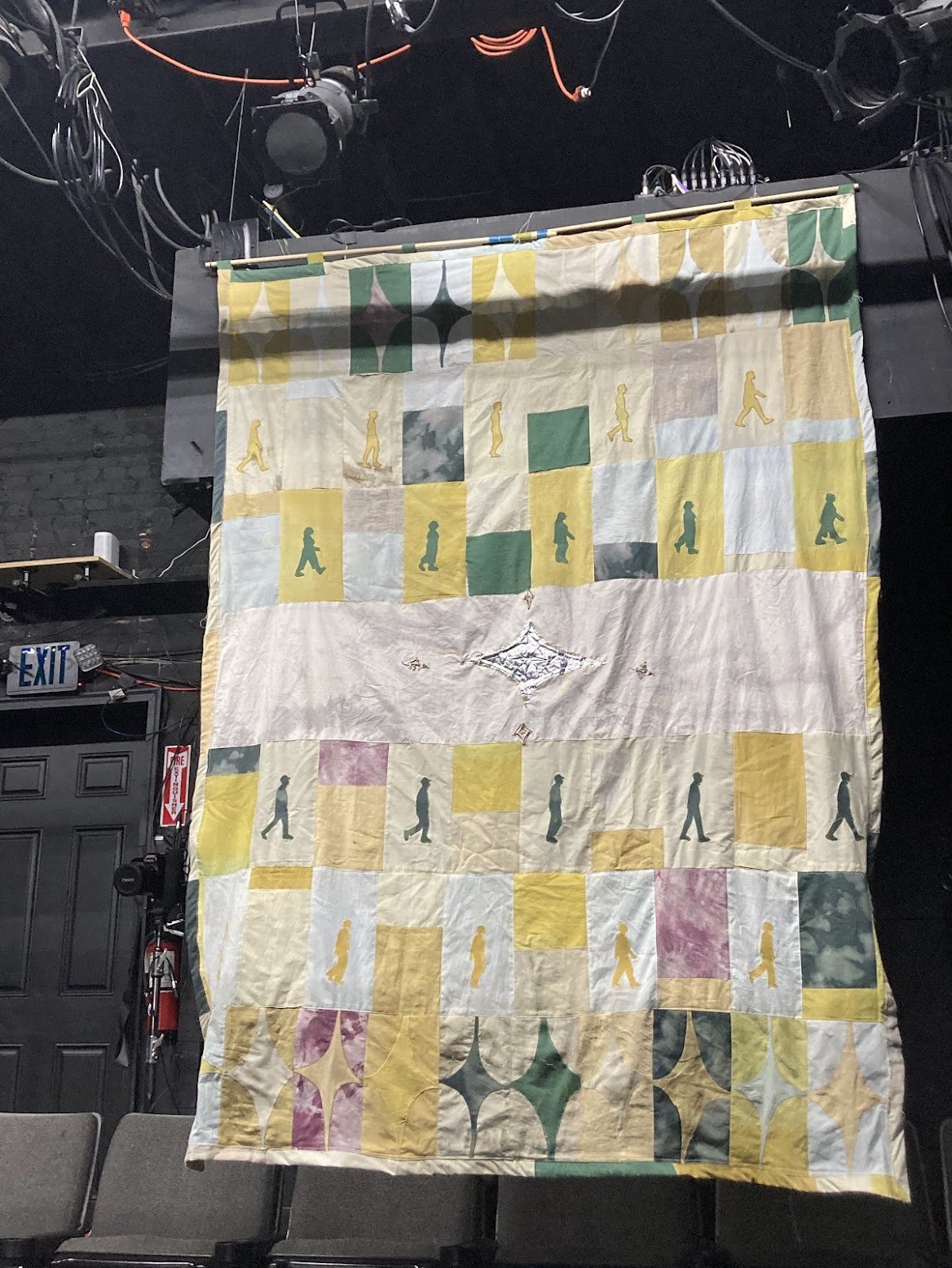
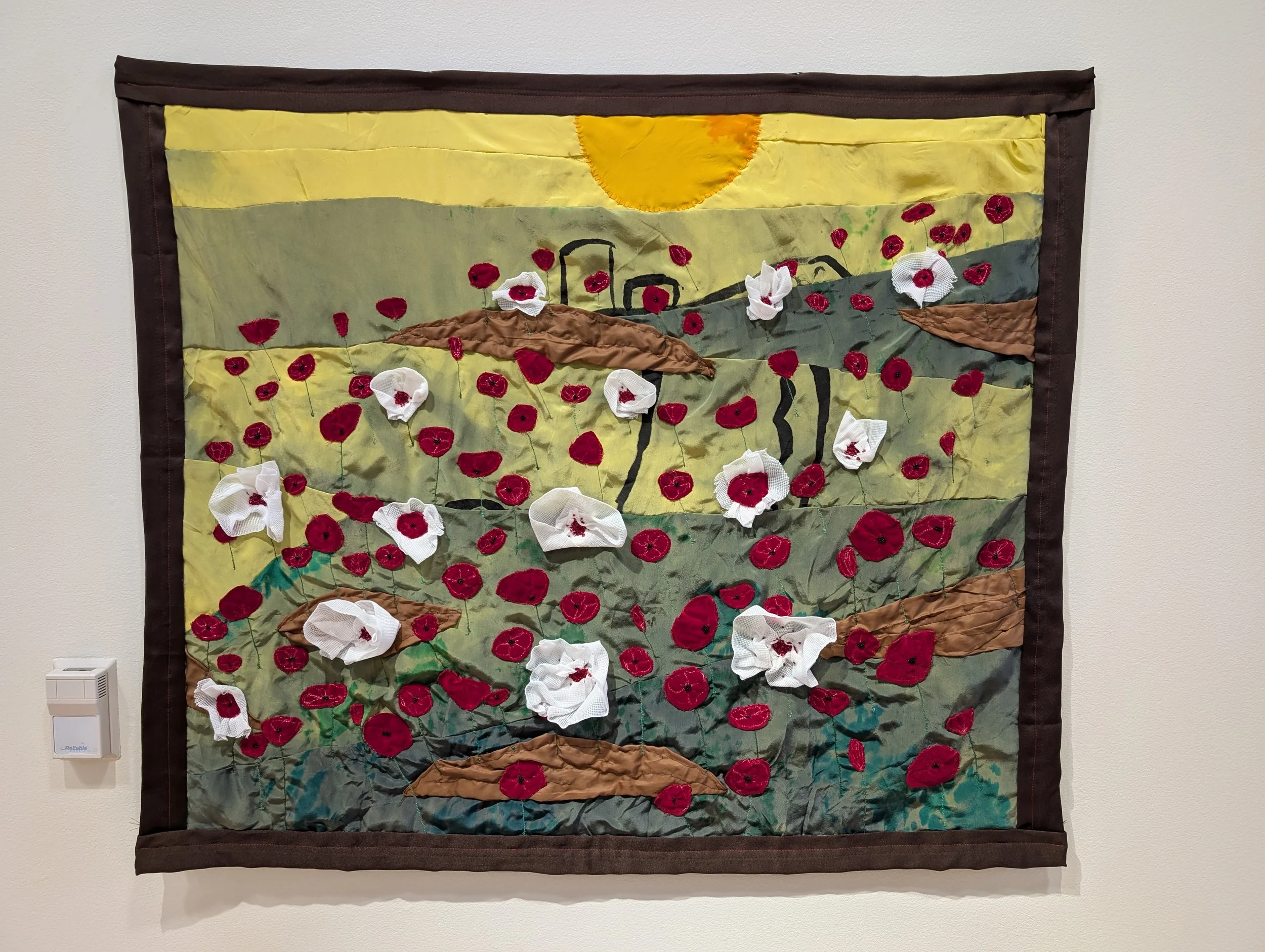
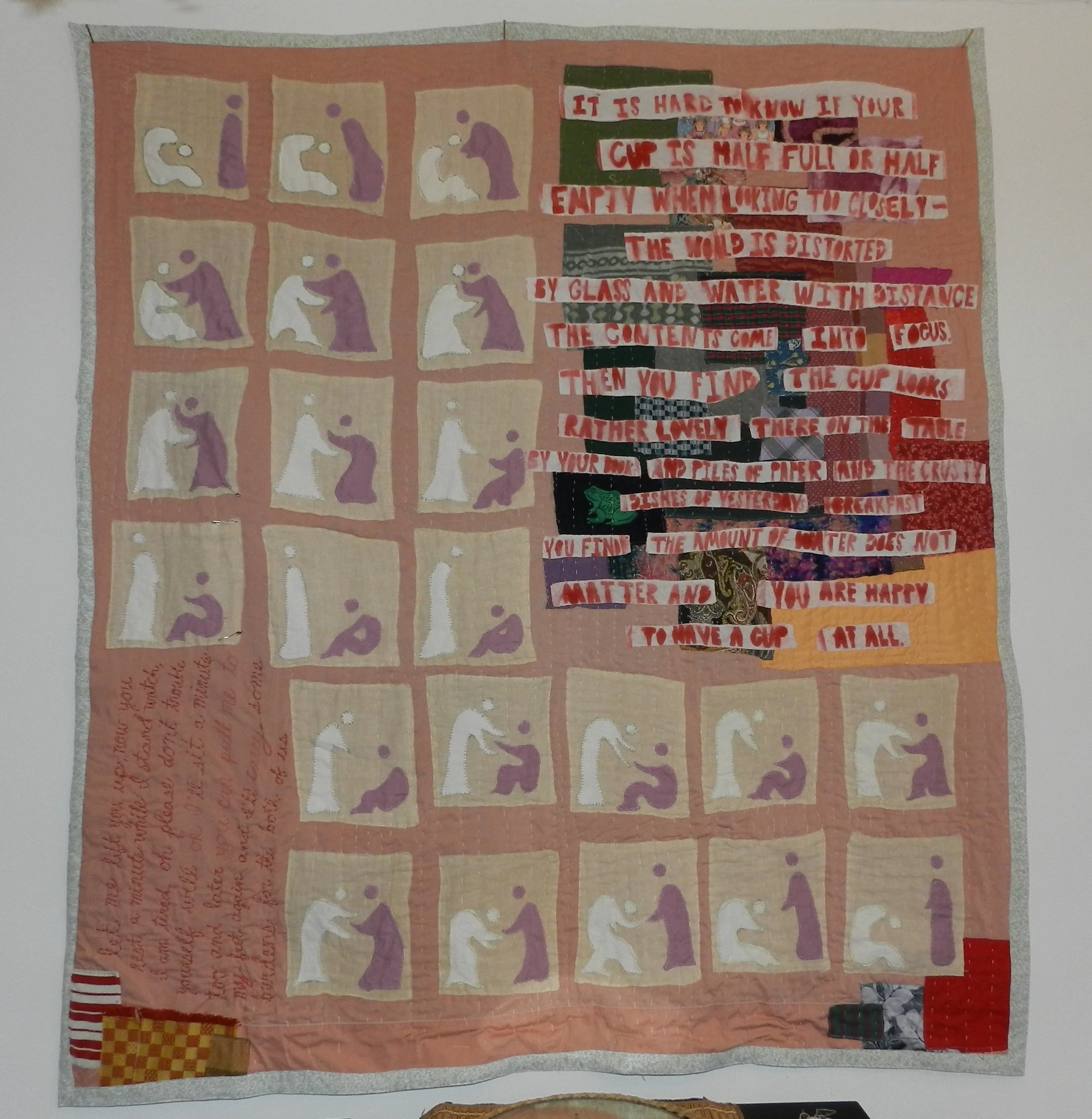
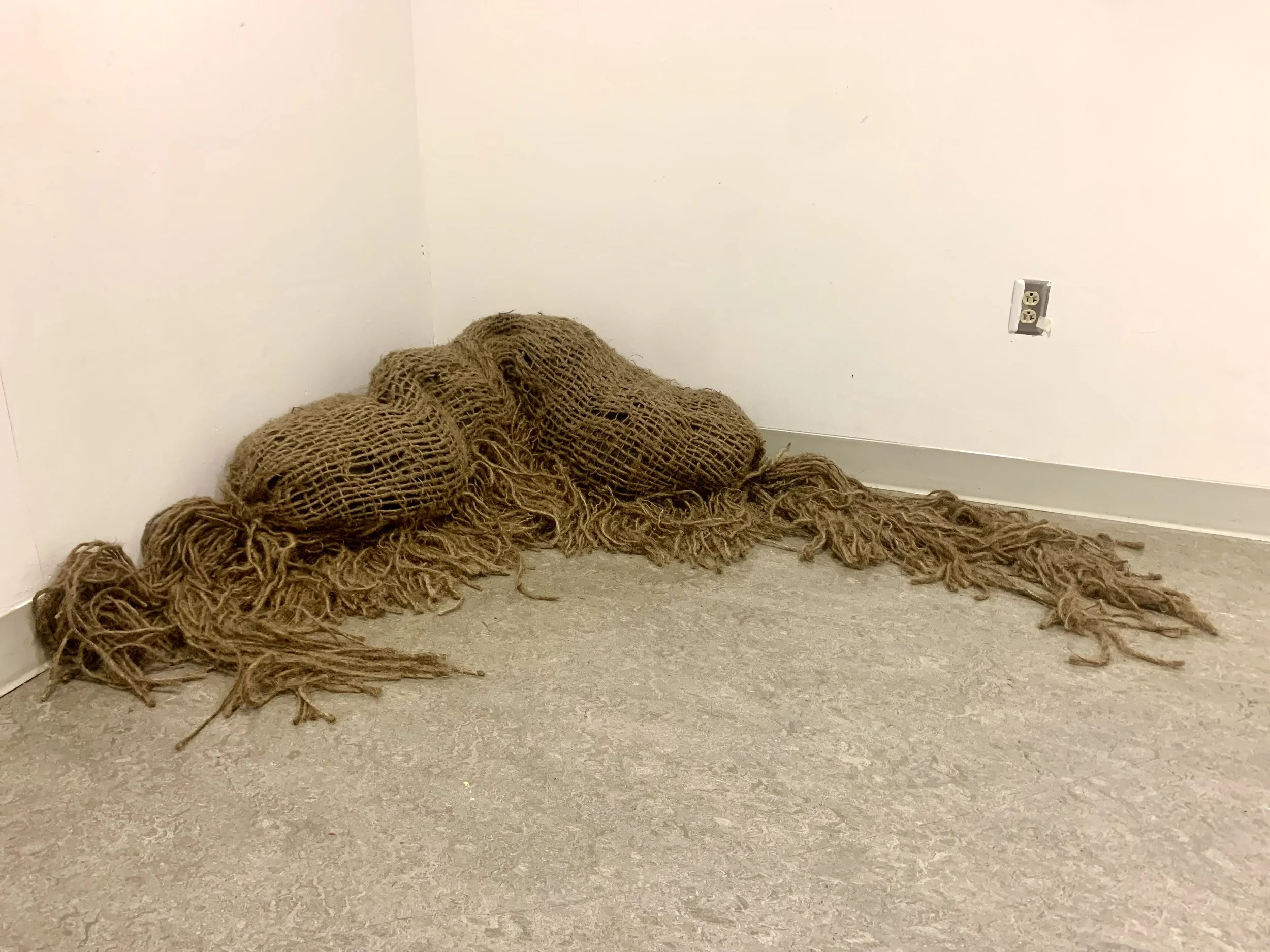
A common thread throughout the exhibition is the connection to the body, emphasizing the deeply personal relationship textiles have in our lives. Milan Warner utilizes fabric and wigs as facsimiles of the body, slumped or suspended in precious vulnerability. Lucas J Rougeux, embroiders and beads with life-saving gauze, emphasizing the effects of state-sanctioned violence and the intimate collaborative work needed to heal. Communal healing and collective action are featured directly in Izy Carney’s multimedia stop-motion quilt work. The multi-faceted and layered experiences of memory, personal history, the body in nature, space, and time are blended together in Eliza Clifford’s screen printed textiles. Fatima Janneh emphasizes the intimate connection between the delicate body and nature through foraging and processing natural dyes. The body is also a vessel for play, experimentation, and performance through Grace David’s experimental works; tearing and re-pinning denim, the fabric of America, into a wholly new form, or portal.
Each artist utilizes their craft to reflect upon how our bodies have suffered, consoled, and celebrated during volatile times. Visitors are asked to ponder how we mend ourselves, others, and a world that feels unfixable.
In addition to the displayed work, the artists have all provided scrap fabric from their studios for an interactive embroidery and visible mending table. Patrons are invited to learn methods of mending and embroidery for a new collective work; insisting on slowing down, meditating within an intimate collaborative process. The final piece will be raffled to exhibition visitors with a $5 donation to a DC mutual aid organization.
This country is vastly diverse but fraying – with widening holes, tears, and separations that seek to divide us. We Mend in End Times reminds us that the process of repair through mending is a slow and painstaking task made easier together. Damage cannot be undone, but the accumulation of many stitches makes a new and stronger quilt.
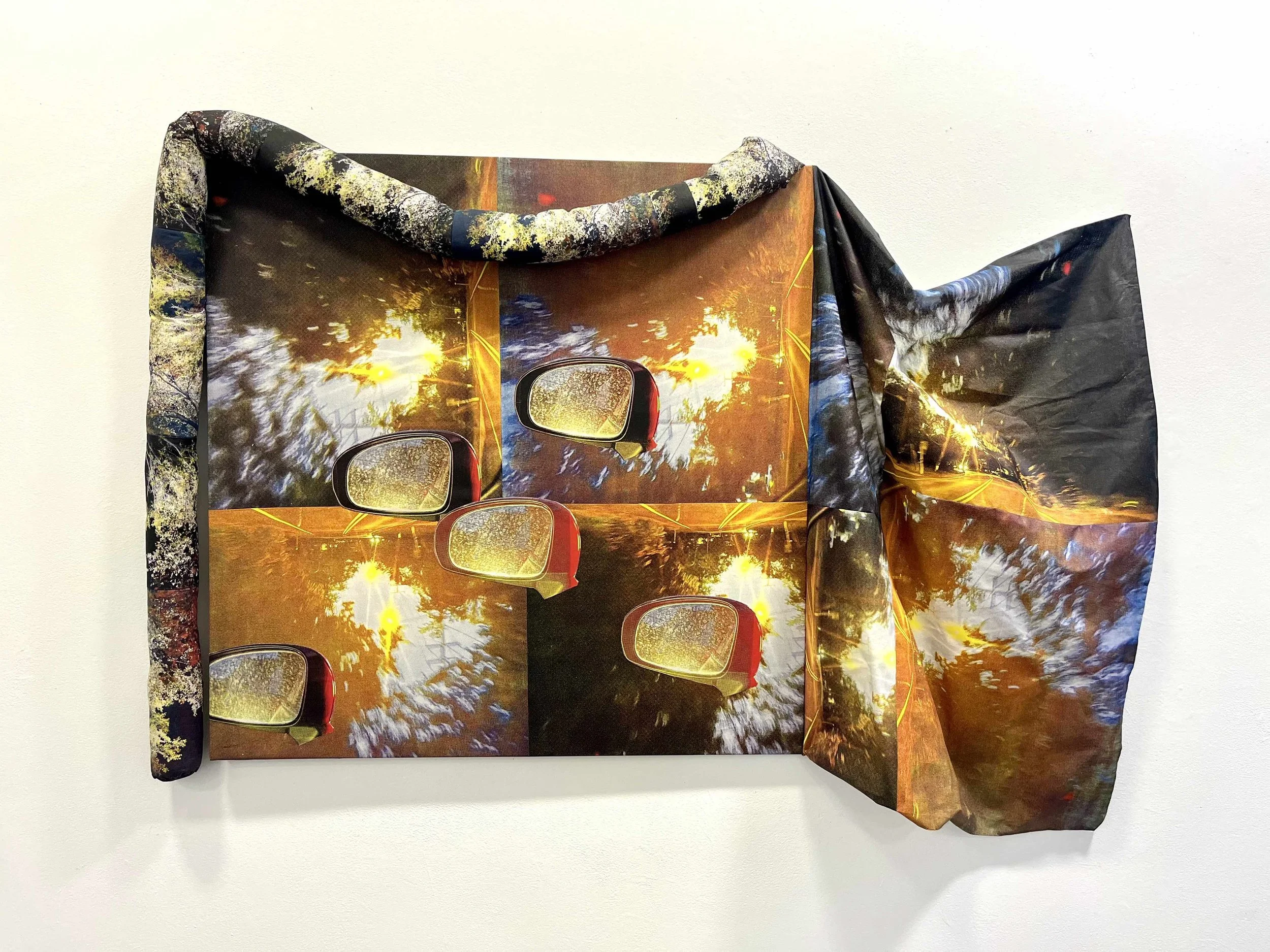
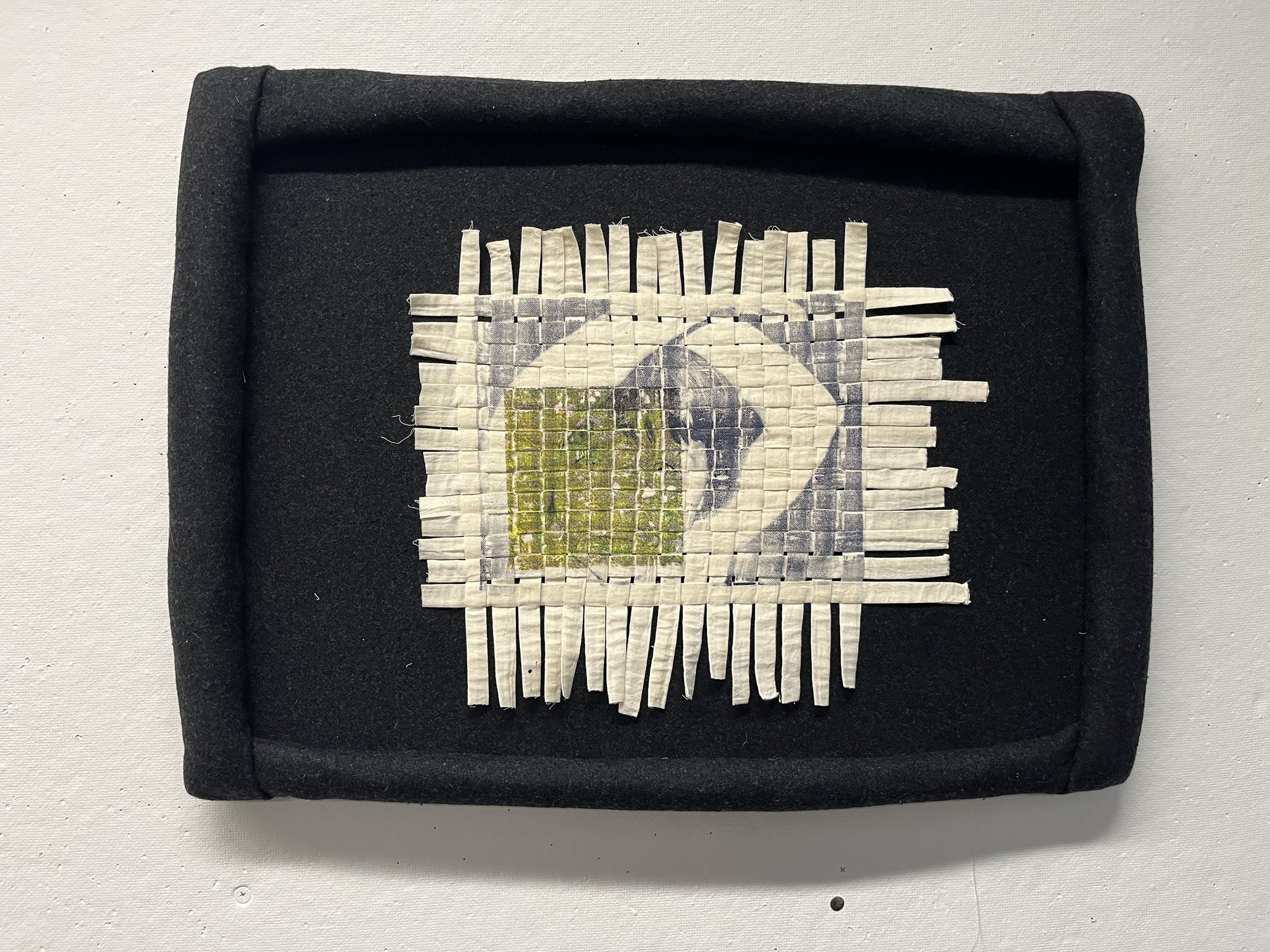
Eliza Clifford
Night Drive, 2026
Screenprint on cotton, polyfill, sewing thread
36" x 60"
February 13 - March 13, 2026
Wednesday - Sunday / 2:00 PM - 7:00 PM
MAIN GALLERY / The DC Arts Center Presents
We Mend In End Times
Curated by
Izy Carney
& Lucas J Rougeux
Quick Links
Eliza Clifford
Night Drive, 2026
Screenprint on cotton, polyfill, sewing thread
36" x 60"
Featured Artists
Izy Carney
Eliza Clifford
Grace David
Fatima Janneh
Lucas J Rougeux
Milan Warner
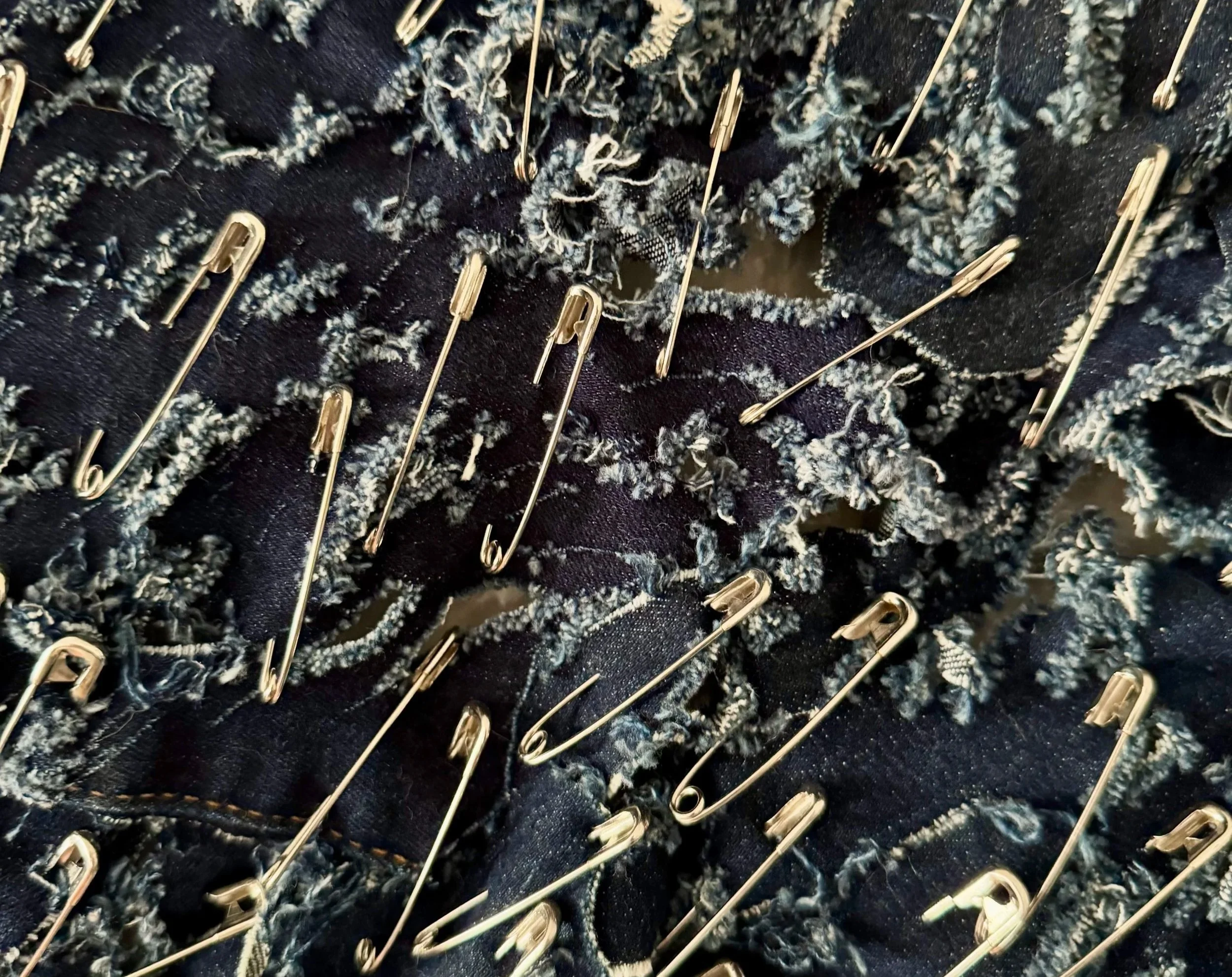
Grace David
I Want my Body to Vibrate, 2025
Denim and safety pins
45” x 75”
Opening Celebration
Friday, February 13, 2026
7:00 - 9:00 PM
Artist Talk
Saturday, February 21, 2026
3:00 - 4:00 PM
Curatorial Tour & Closing Reception
Friday, March 13, 2026
6:00 PM - 7:00 PM
About the Exhibition
We Mend in End Times is a textile-centered exhibit featuring the work of six artists. The works selected for this exhibit reflect the ways we care for our bodies, our community, and our world through the literal mending required of textile work. Mending is the act of stitching together damaged fabric, whether that’s adding a patch to the knee of worn jeans or fixing a hole in an old sweater. Mending is as old a practice as textiles themselves. To mend, one must slow down and look carefully. The mending might utilize invisible stitches or may embrace techniques that create a new, exaggerated beauty. Mending is an act of endurance–when one chooses to mend, a declaration is made that an item is worth saving, fixing, and loving, despite imperfection.
A common thread throughout the exhibition is the connection to the body, emphasizing the deeply personal relationship textiles have in our lives. Milan Warner utilizes fabric and wigs as facsimiles of the body, slumped or suspended in precious vulnerability. Lucas J Rougeux, embroiders and beads with life-saving gauze, emphasizing the effects of state-sanctioned violence and the intimate collaborative work needed to heal. Communal healing and collective action are featured directly in Izy Carney’s multimedia stop-motion quilt work. The multi-faceted and layered experiences of memory, personal history, the body in nature, space, and time are blended together in Eliza Clifford’s screen printed textiles. Fatima Janneh emphasizes the intimate connection between the delicate body and nature through foraging and processing natural dyes. The body is also a vessel for play, experimentation, and performance through Grace David’s experimental works; tearing and re-pinning denim, the fabric of America, into a wholly new form, or portal.
Each artist utilizes their craft to reflect upon how our bodies have suffered, consoled, and celebrated during volatile times. Visitors are asked to ponder how we mend ourselves, others, and a world that feels unfixable.
In addition to the displayed work, the artists have all provided scrap fabric from their studios for an interactive embroidery and visible mending table. Patrons are invited to learn methods of mending and embroidery for a new collective work; insisting on slowing down, meditating within an intimate collaborative process. The final piece will be raffled to exhibition visitors with a $5 donation to a DC mutual aid organization.
This country is vastly diverse but fraying – with widening holes, tears, and separations that seek to divide us. We Mend in End Times reminds us that the process of repair through mending is a slow and painstaking task made easier together. Damage cannot be undone, but the accumulation of many stitches makes a new and stronger quilt.
February 13 - March 13, 2026
Wednesday - Sunday / 2:00 PM - 7:00 PM
MAIN GALLERY / The DC Arts Center Presents
We Mend in End Times
Curated by
Izy Carney
& Lucas J Rougeux
Quick Links
Featured Artists
Izy Carney
Eliza Clifford
Grace David
Fatima Janneh
Lucas J Rougeux
Milan Warner
Grace David
I Want my Body to Vibrate, 2025
Denim and safety pins
45” x 75”
About the Exhibition
We Mend in End Times is a textile-centered exhibit featuring the work of six artists. The works selected for this exhibit reflect the ways we care for our bodies, our community, and our world through the literal mending required of textile work. Mending is the act of stitching together damaged fabric, whether that’s adding a patch to the knee of worn jeans or fixing a hole in an old sweater. Mending is as old a practice as textiles themselves. To mend, one must slow down and look carefully. The mending might utilize invisible stitches or may embrace techniques that create a new, exaggerated beauty. Mending is an act of endurance–when one chooses to mend, a declaration is made that an item is worth saving, fixing, and loving, despite imperfection.
A common thread throughout the exhibition is the connection to the body, emphasizing the deeply personal relationship textiles have in our lives. Milan Warner utilizes fabric and wigs as facsimiles of the body, slumped or suspended in precious vulnerability. Lucas J Rougeux, embroiders and beads with life-saving gauze, emphasizing the effects of state-sanctioned violence and the intimate collaborative work needed to heal. Communal healing and collective action are featured directly in Izy Carney’s multimedia stop-motion quilt work. The multi-faceted and layered experiences of memory, personal history, the body in nature, space, and time are blended together in Eliza Clifford’s screen printed textiles. Fatima Janneh emphasizes the intimate connection between the delicate body and nature through foraging and processing natural dyes. The body is also a vessel for play, experimentation, and performance through Grace David’s experimental works; tearing and re-pinning denim, the fabric of America, into a wholly new form, or portal.
Each artist utilizes their craft to reflect upon how our bodies have suffered, consoled, and celebrated during volatile times. Visitors are asked to ponder how we mend ourselves, others, and a world that feels unfixable.
In addition to the displayed work, the artists have all provided scrap fabric from their studios for an interactive embroidery and visible mending table. Patrons are invited to learn methods of mending and embroidery for a new collective work; insisting on slowing down, meditating within an intimate collaborative process. The final piece will be raffled to exhibition visitors with a $5 donation to a DC mutual aid organization.
This country is vastly diverse but fraying – with widening holes, tears, and separations that seek to divide us. We Mend in End Times reminds us that the process of repair through mending is a slow and painstaking task made easier together. Damage cannot be undone, but the accumulation of many stitches makes a new and stronger quilt.
Opening Celebration
Friday, February 13, 2026
7:00 - 9:00 PM
Artist Talk
Saturday, February 21, 2026
3:00 - 4:00 PM
Curatorial Tour & Closing Reception
Friday, March 13, 2026
6:00 PM - 7:00 PM
Eliza Clifford
Night Drive, 2026
Screenprint on cotton, polyfill, sewing thread
36" x 60"
Mending is the act of fixing damaged fabric, whether that’s adding a patch to the knee of worn jeans or stitching together a hole in an old sweater. The mending might utilize invisible stitches or may embrace techniques that create a new, exaggerated beauty. The act of mending is a careful and meticulous task of repair, meditation on damage, and the renewal of an object for longevity. The six artists in We Mend in End Times use the processes of textile mending and craft to meditate on the importance of communal work, how the body absorbs trauma, and the mounting task of repair for the future.
Though today’s struggles feel new and insurmountable, history insists that the world has ended and been made new again many times. In the face of horrific oppression and disaster, those with faith in tomorrow take up the task of repair. Each artist asks us to ponder how we mend ourselves, others, and a world that feels unfixable.
Tied through themes of body, the exhibited artists display a range of processes from traditional quilt-making to conceptual and experimental sculpture. Each artist ponders the relationship between textiles and the body such as Fatima Janneh’s “Relief,” intertwining the fragility of the body and the effects of the medical system with the processing of natural dying and the meditative communing with nature. Other artists have a more reactive dialogue with textile work like Grace David, who communes with ripped scraps of denim–the “fabric of America”--to create a new tapestry of denim and safety pins, blending mending processes with her experience as a performance artist.
This country is vastly diverse but fraying – with widening holes, tears, and separations that seek to divide us. This exhibition reminds us that the process of repair through mending is a slow and painstaking task made easier together. It is through these many stitches that we can hope to mend our communities for a stronger and more resilient tapestry.

Izy Carney
Co-Curator, We Mend in End Times

Lucas J Rougeux
Co-Curator, We Mend in End Times
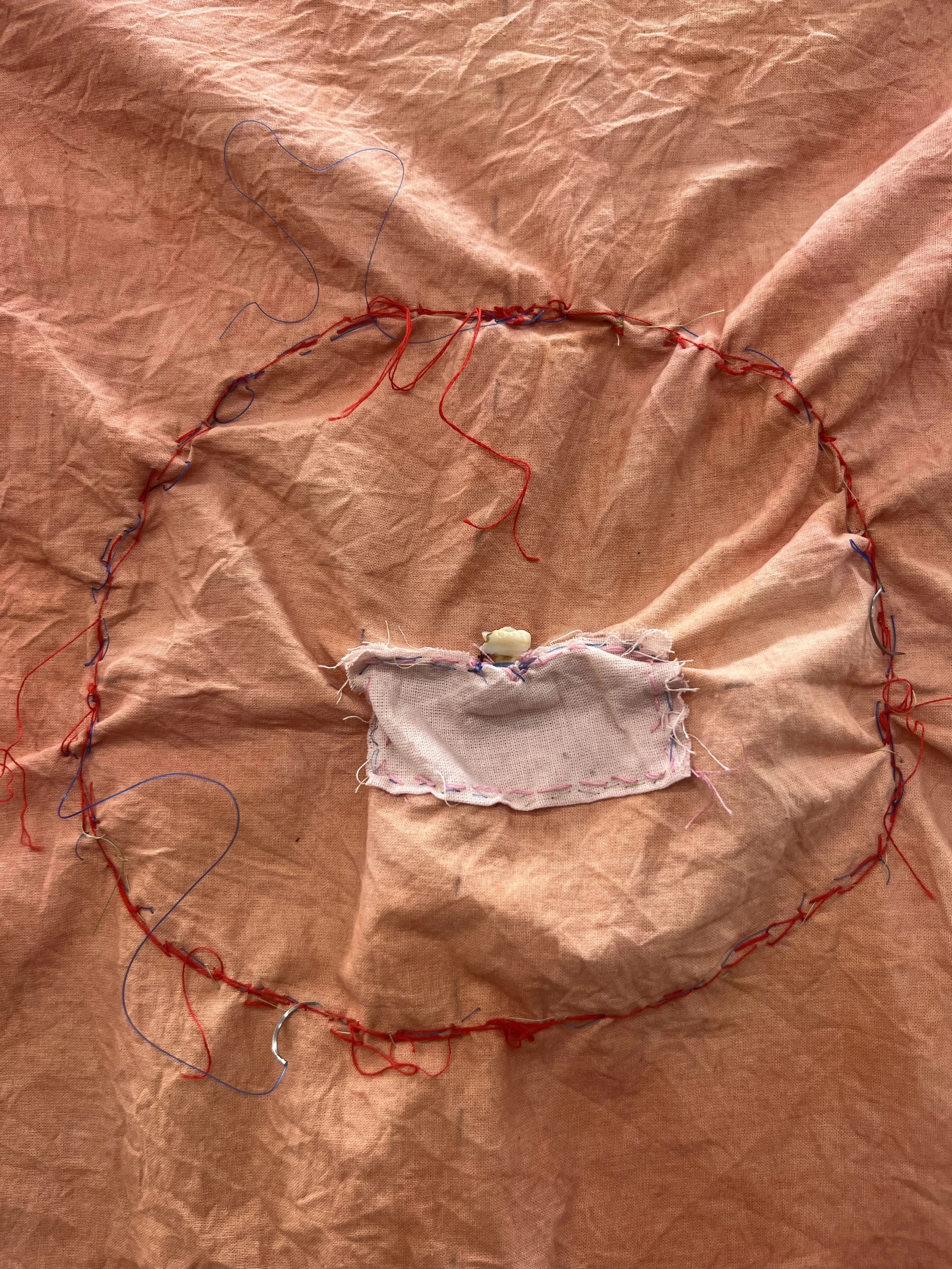
Fatima Janneh
Relief, 2024
Madder root and cochineal, surgical thread, cyantoype x-ray
54” x 54”
$900
From
The Curators
From the
Curators
Mending is the act of fixing damaged fabric, whether that’s adding a patch to the knee of worn jeans or stitching together a hole in an old sweater. The mending might utilize invisible stitches or may embrace techniques that create a new, exaggerated beauty. The act of mending is a careful and meticulous task of repair, meditation on damage, and the renewal of an object for longevity. The six artists in We Mend in End Times use the processes of textile mending and craft to meditate on the importance of communal work, how the body absorbs trauma, and the mounting task of repair for the future.
Though today’s struggles feel new and insurmountable, history insists that the world has ended and been made new again many times. In the face of horrific oppression and disaster, those with faith in tomorrow take up the task of repair. Each artist asks us to ponder how we mend ourselves, others, and a world that feels unfixable.
Tied through themes of body, the exhibited artists display a range of processes from traditional quilt-making to conceptual and experimental sculpture. Each artist ponders the relationship between textiles and the body such as Fatima Janneh’s “Relief,” intertwining the fragility of the body and the effects of the medical system with the processing of natural dying and the meditative communing with nature. Other artists have a more reactive dialogue with textile work like Grace David, who communes with ripped scraps of denim–the “fabric of America”--to create a new tapestry of denim and safety pins, blending mending processes with her experience as a performance artist.
This country is vastly diverse but fraying – with widening holes, tears, and separations that seek to divide us. This exhibition reminds us that the process of repair through mending is a slow and painstaking task made easier together. It is through these many stitches that we can hope to mend our communities for a stronger and more resilient tapestry.
Izy Carney
Co-Curator, We Mend in End Times
Lucas J Rougeux
Co-Curator, We Mend in End Times
Fatima Janneh
Relief, 2024
Madder root and cochineal, surgical thread, cyantoype x-ray
54” x 54”
$900
Artist
Biographies
Artist
Izy Carney
-
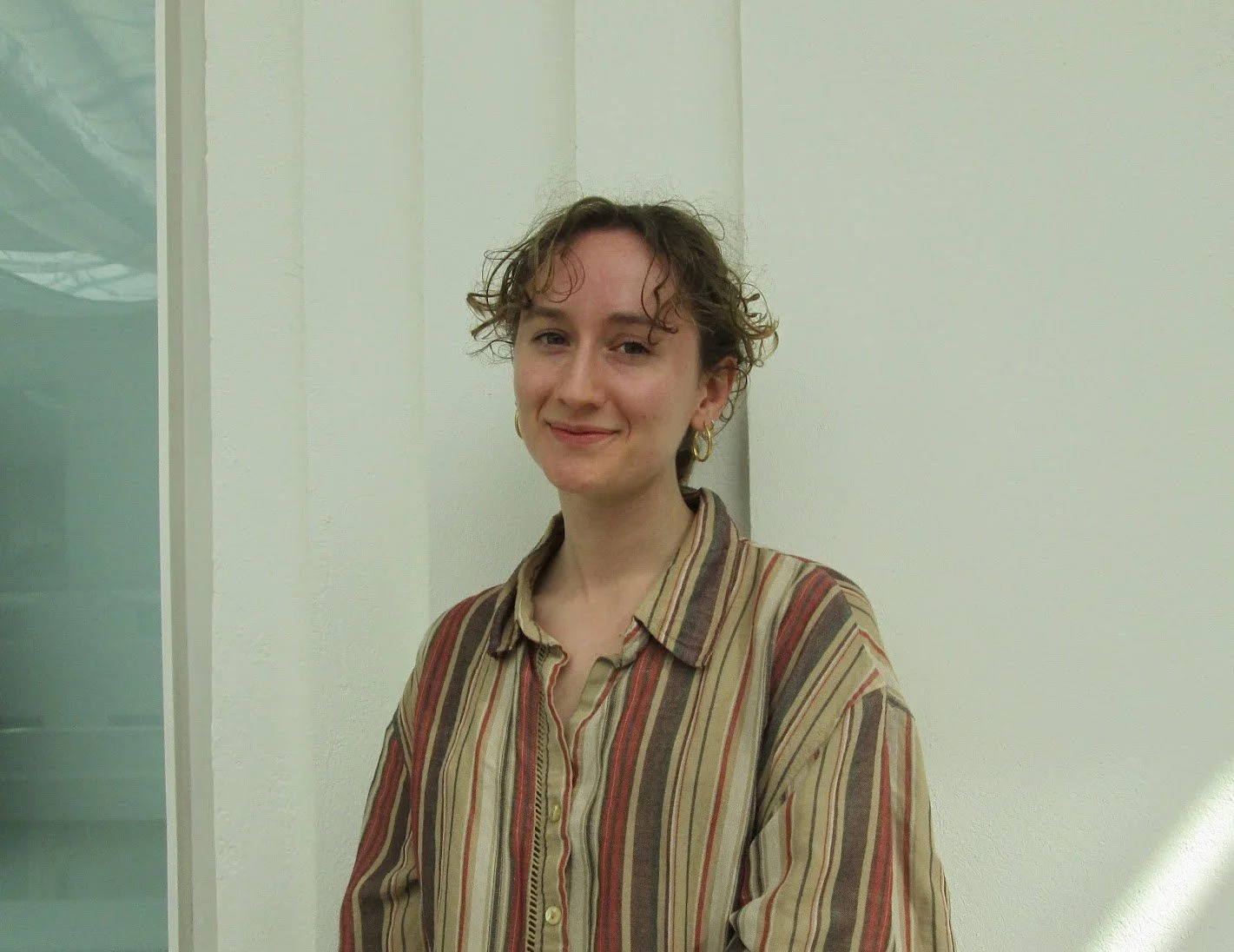
Izy Carney is a textile artist and writer whose work merges the personal and political within historic and archival frameworks. Experimenting with fabric’s memory of environment and manipulation, Carney employs techniques to both enhance and decay material. Using a range of physical and digital mediums, she examines personal and public memory and the accessibility to information.
She recently finished her time at the DCAC’s Sparkplug residency and has exhibited in Seattle, DC, and Baltimore. She has published several poems in small press magazines like Everything Matters and Fruit Slice. Carney’s essay titled “Dirty Work Pay: Environmental Racism and the 1970 Washington, D.C. Sanitation Strike”was published in Washington History magazine in 2023. She works closely with the People’s Archive at the MLK Library to make oral history collections and other local civil rights archival material accessible to the public. This is her curatorial debut.
Artist
Eliza Clifford
-
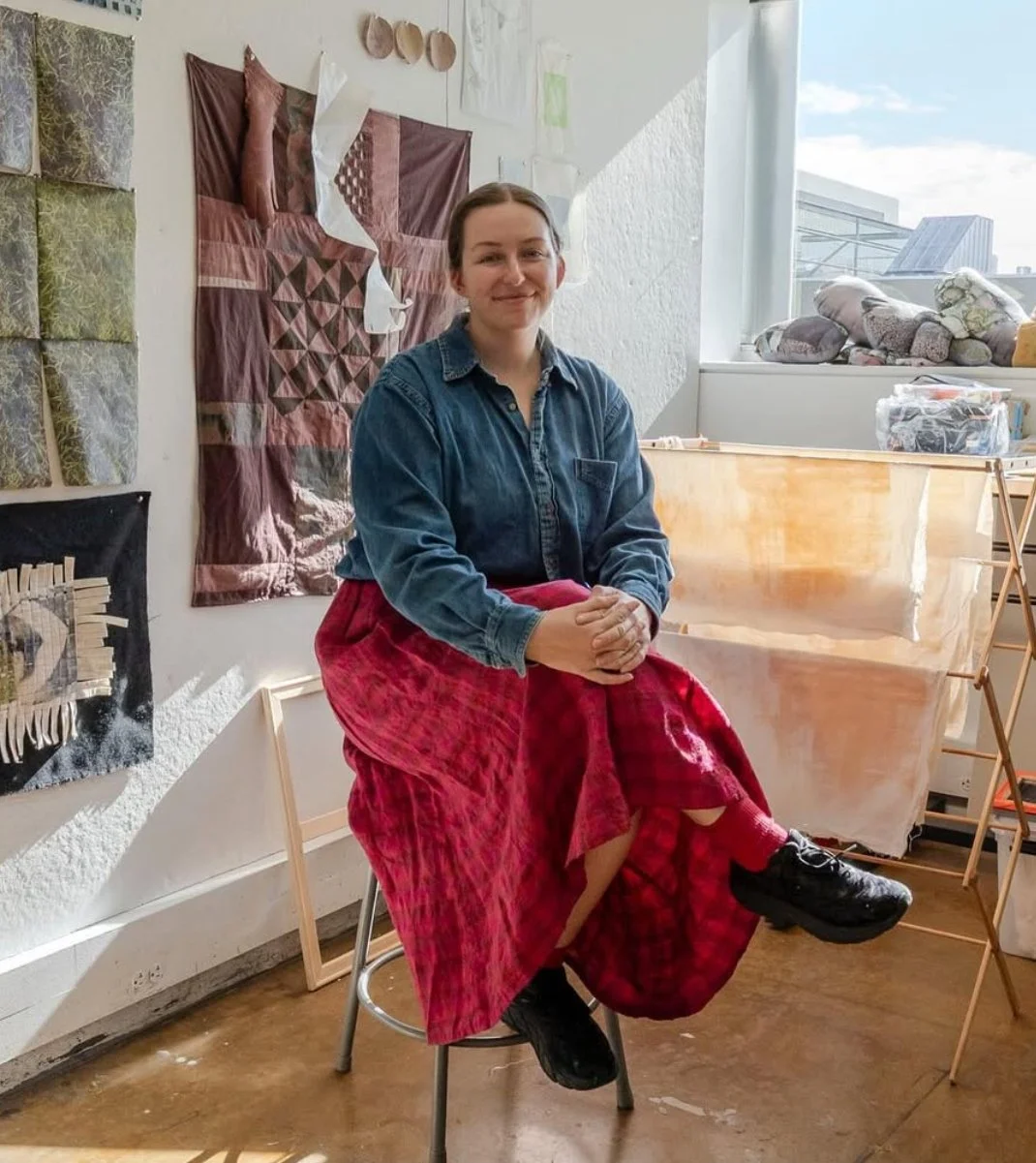
Eliza Clifford (she/her) is a Philadelphia-based arts educator, printmaker, and multidisciplinary artist. She holds a B.F.A. in Book Arts, Graphic Design, and Printmaking from the University of Wisconsin Madison (2019). Clifford has worked and taught at Pyramid Atlantic Art Center, Women’s Studio Workshop, Museum of Contemporary Art Arlington, and VisArts. She has held residencies at Torpedo Factory Art Center, Remarque Print Workshop, and Penland School of Craft. In 2022, she received the Elizabeth Catlett Memorial Award at the Mid-America Print Council Conference.
Her work is held in collections at the University of Pittsburgh, The Ohio State University, and Kansas State University Print Archive, and has been exhibited at the Baltimore Fine Print Fair, Morgan Conservatory, Kent State University, McLean Project for the Arts, and VisArts.
Clifford is currently based in Philadelphia and is pursuing an M.F.A. in Printmaking at the Tyler School of Art at Temple University.
IG: @lavender_lizard_press
Website: www.elizaaclifford.com
Artist
Grace David
-
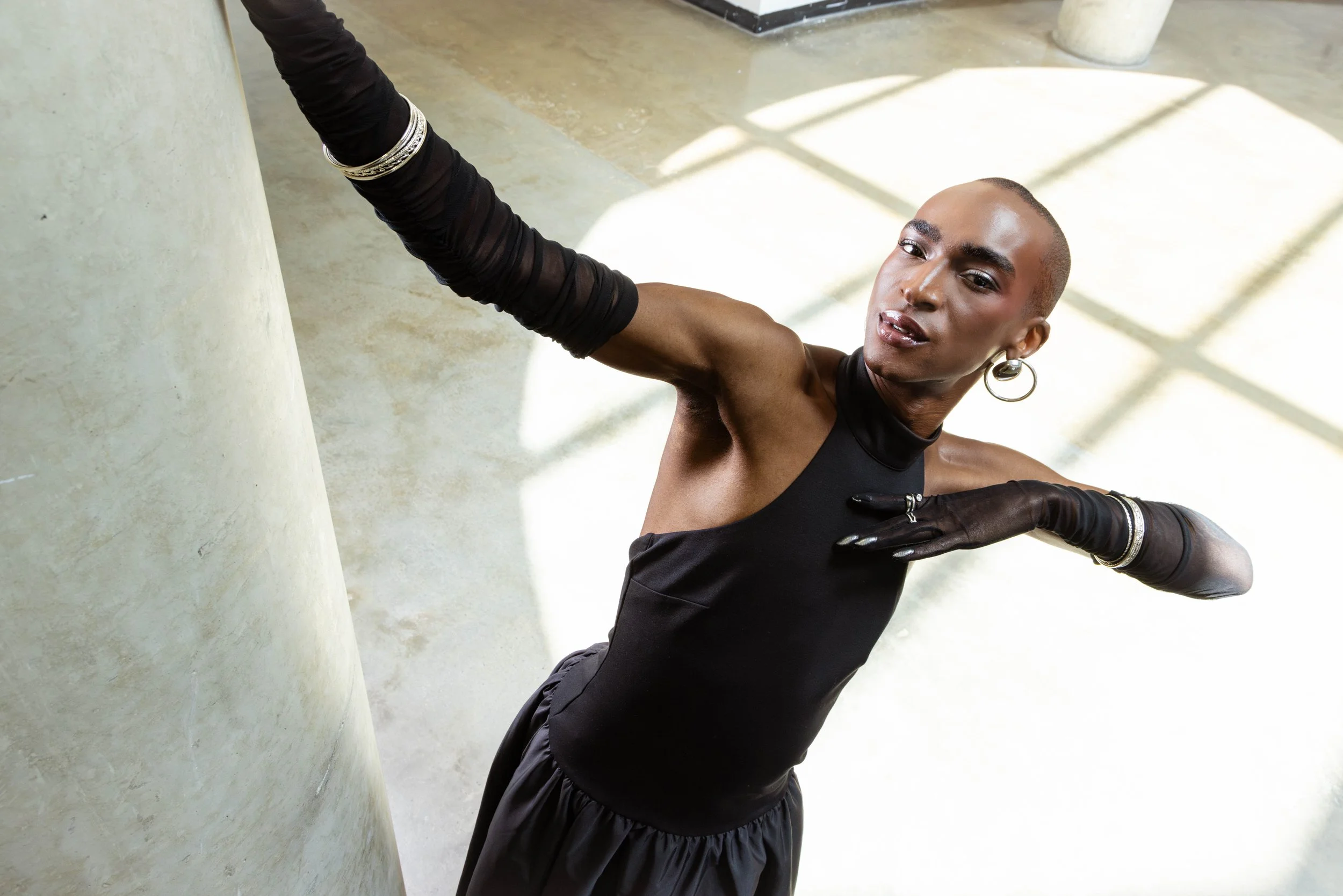
Miss Grace David is a Black, queer, and non-binary femme performance and textile artist based in the DC area. By using character performance, textile production, world-making, and storytelling, their work connects human emotion and personal experience with visual abstraction. Their work and film has been commissioned by Dance Place in Washington, DC, Tariq O’Meally’s BlackLight Summit, and shown at Kennedy Center. Grace was most recently announced as a Fellowship Artist with Dance Place for their 2025-2027 Season, and voted Best Local Artist in Washington Blade’s 2025 “Best of LGBTQ D.C.” readers’ poll.
Artist
Fatima Janneh
-
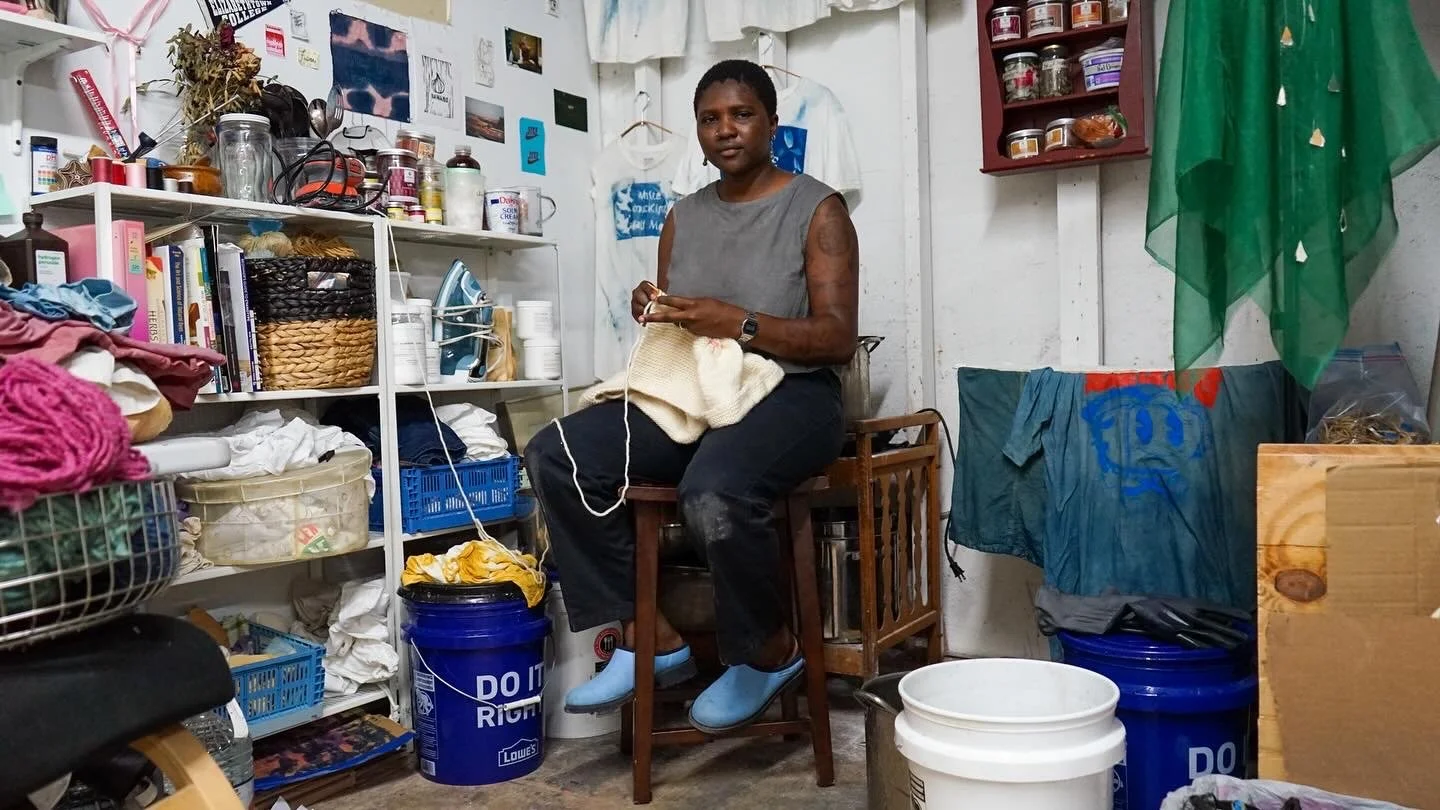
Fatima Janneh is a Gambian American interdisciplinary textile artist. She works primarily with West African Natural Dye tradition. Currently working in the Boston area.
Website: www.fatimaknits.com
Artist
Lucas J Rougeux
-
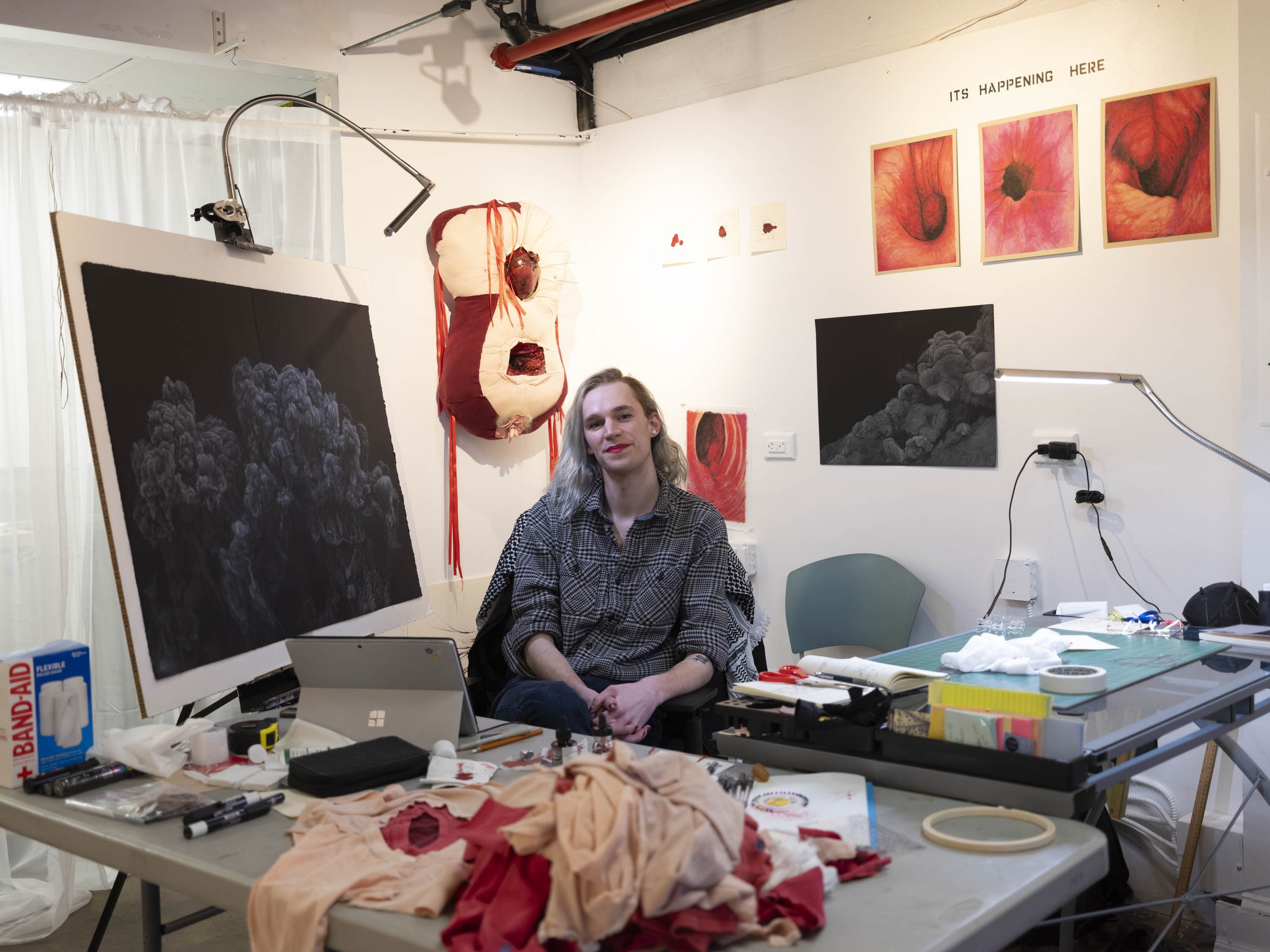
Lucas J Rougeux (he/she/they) is a queer artist and curator currently living and working in Washington DC. They acquired a Bachelor of Arts in 2017 from Alfred University with a focus in interdisciplinary art.
They have exhibited their work around the DC area with Lucas’s first solo exhibition, THE SOUL GRAVITY-GUIDED TO BLACK, mounted at Rhizome DC in 2022. In 2024, she was a Post-Grad Resident at the Torpedo Factory Art Center and the Artist in Residence at Montgomery County Community College leading to their second solo exhibition, SOOTCHARGED AND SUTURED at the college’s Open Gallery.
Lucas was formerly a member of DCAC’s Sparkplug Collective in 2024 and is a current member of Red Dirt Studios in Mount Rainier, MD. Their curatorial debut was the joyful Existence as Protest group exhibition at Rhizome DC in 2023, featuring 50 trans/queer/non-binary artists. They acted as co-curator for the Queer Art Salon in 2024 and participates as an ongoing collaborator for the Queer Art Salon exhibition series.
Lucas explores themes of queer body, chronic pain, spirituality, apocalypse, and the unknown. She continues to advocate for queer and marginalized voices and artists through curatorial and creative outlets and believes in a strong community to combat fascism.
Artist
Milan Warner
-
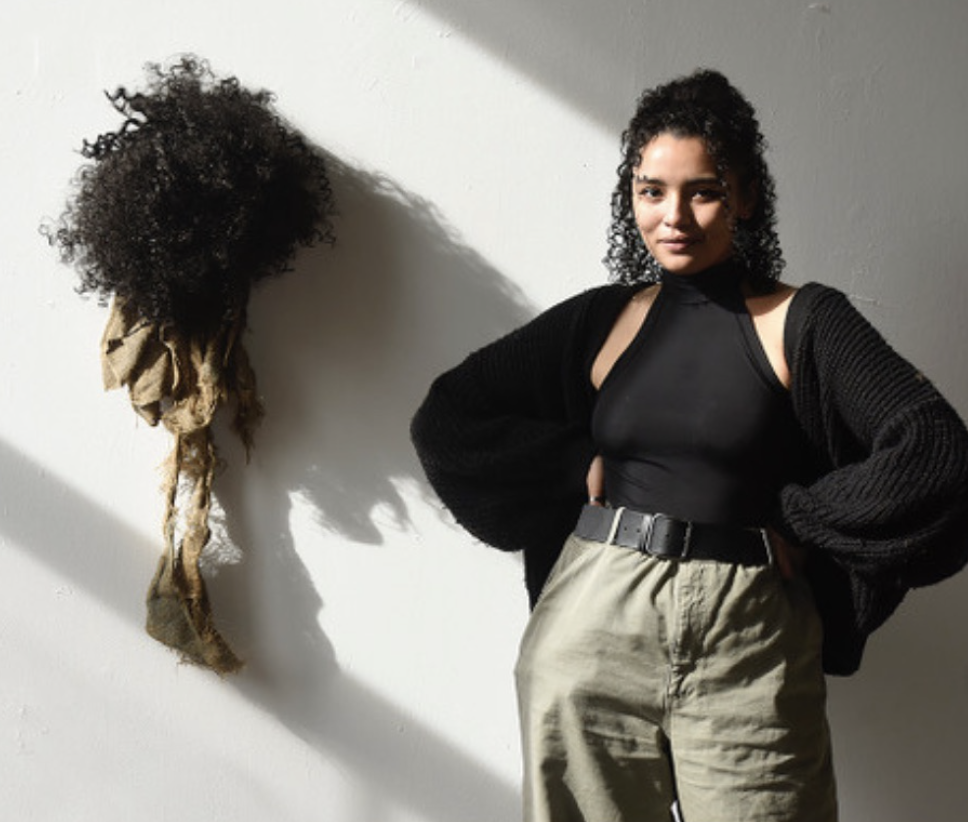
Milan Warner is a Maryland-based multimedia artist whose primary practice centers on sculpture. Drawing deeply from her formative years, Warner’s work explores memory, materiality, and the interplay between personal and cultural identity. Her installations often engage the viewer through an intuitive relationship with space, form, and tactile experience. Her debut solo exhibition, Where growths sleep but cannot dream debuted at MoCA Arlington.
Warner received her B.A. in Studio Art from the University of Maryland in 2021. That same year, she completed her first public sculpture as an artist-in-residence at Franconia Sculpture Park in Shafer, Minnesota. In 2022, she held a short-term residency at the Arlington Arts Center (now the Museum of Contemporary Art Arlington), where she is currently a long-term resident, continuing to develop an expansive and materially rigorous body of work.
Warner served as the 2025 Program Coordinator for the Sparkplug Artists’ Collective—DCAC’s long-running incubator for contemporary visual artists. Warner also completed curatorial projects which includes Here & Where? (Jeffrey Berg and Sally Veach), Within a Dazzle (Qrcky), Pushing the Envelope (Kirk Knoll), Turning Back a Page (Julia Porcari), and Closer beyond; further within featuring The DC Arts Center’s 2025 Sparkplug Artists Collective.
Curator
Biographies
Co-Curator
Izy Carney
-
Izy Carney is a textile artist and writer whose work merges the personal and political within historic and archival frameworks. Experimenting with fabric’s memory of environment and manipulation, Carney employs techniques to both enhance and decay material. Using a range of physical and digital mediums, she examines personal and public memory and the accessibility to information.
She recently finished her time at the DCAC’s Sparkplug residency and has exhibited in Seattle, DC, and Baltimore. She has published several poems in small press magazines like Everything Matters and Fruit Slice. Carney’s essay titled “Dirty Work Pay: Environmental Racism and the 1970 Washington, D.C. Sanitation Strike”was published in Washington History magazine in 2023. She works closely with the People’s Archive at the MLK Library to make oral history collections and other local civil rights archival material accessible to the public. This is her curatorial debut.In her most recent social practice art for institutions such as UMMA, and the High Desert Museum, Thu shapes poetry while listening to conversations about what makes a flourishing community. These conversations often take place in relation to art that Thu has created for the occasion. Thu paints large-scale watercolors and is obsessed with flowers, their symbolism, and beauty. She has painted hundreds of floral protest posters for social justice movements such as Black Lives Matter and Say Her Name. Thu’s floral murals capture the voices of AANHPI women at Gallery Y in D.C., the Asian American community at Amphibian Stage in Fort Worth, TX, and the diversity of the DMV at Culture House.
Thu recently wrote the Reading Guide for Ocean Vuong’s award-winning book The Emperor of Gladness. Thu is also a Pushcart Prize-nominated poet whose poetry explores the intersections and tensions between her Vietnamese and American identities. Her writing has been published in journals such as Literacy Today, the Southern Humanities Review, the Cider Press Review, and the Crab Orchard Review. You may find examples of her work at thuanhnguyen.com
Co-Curator
Lucas J Rougeux
-
Lucas J Rougeux (he/she/they) is a queer artist and curator currently living and working in Washington DC. They acquired a Bachelor of Arts in 2017 from Alfred University with a focus in interdisciplinary art.
They have exhibited their work around the DC area with Lucas’s first solo exhibition, THE SOUL GRAVITY-GUIDED TO BLACK, mounted at Rhizome DC in 2022. In 2024, she was a Post-Grad Resident at the Torpedo Factory Art Center and the Artist in Residence at Montgomery County Community College leading to their second solo exhibition, SOOTCHARGED AND SUTURED at the college’s Open Gallery.
Lucas was formerly a member of DCAC’s Sparkplug Collective in 2024 and is a current member of Red Dirt Studios in Mount Rainier, MD. Their curatorial debut was the joyful Existence as Protest group exhibition at Rhizome DC in 2023, featuring 50 trans/queer/non-binary artists. They acted as co-curator for the Queer Art Salon in 2024 and participates as an ongoing collaborator for the Queer Art Salon exhibition series.
Lucas explores themes of queer body, chronic pain, spirituality, apocalypse, and the unknown. She continues to advocate for queer and marginalized voices and artists through curatorial and creative outlets and believes in a strong community to combat fascism.
←
You Can Find
Us Here.
2438 18th St. NW
Washington, DC 20009
We’re located on the second floor of the building on 18th St. NW above Mola Empanada and Shiva Tobacco. We’re next to Code Red and located across the street from Tryst and Grand Central. We’re the center door on the ground floor. Our closest two intersections are 18th St. and Columbia Rd. NW, or 18th St. and Belmont Rd. NW.
Street parking is notoriously limited. Colonial Parking, a private paid garage, is located on 18th St. NW behind Van Leeuwen Ice Cream.
Nearest Metro Station
Woodley Park-Zoo/Adams Morgan (Red Line)
Dupont Circle (Red Line)
Columbia Heights (Green/Yellow Line)
Metrobus Routes
Bus Stops at 18th St. & Columbia Rd. NW
C51, C53, D72, D74